IDP Science Leader IMP 3
BAS Science Strategy Executive Group, Ice Dynamics and Palaeoclimate team

We study glaciers and ice sheets to understand their response to climate change.
The Ice Dynamics and Palaeoclimate Team aims to improve understanding of glaciers and ice sheets and their response to climate change.
We aim to provide scientific evidence required by decision makers to realise a sustainable future. To do this, we undertake observational campaigns in the polar and mountain regions; conduct laboratory work (particularly in ice core science); and develop and run state of the art models of the ice sheets and the wider Earth system.
Our work helps to reduce uncertainty in predictions of ice loss, sea level rise, and water security.
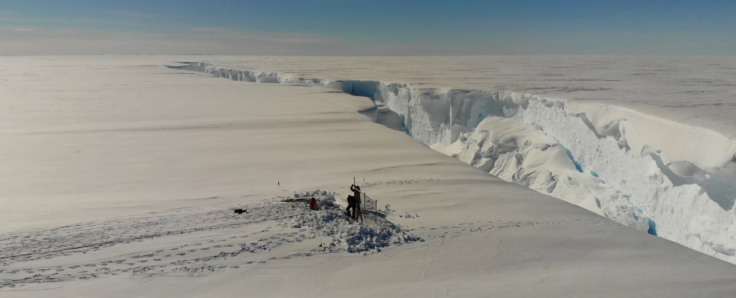
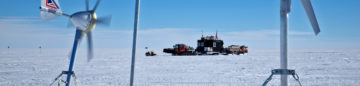
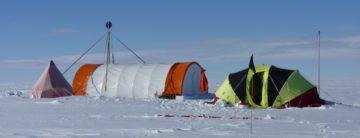
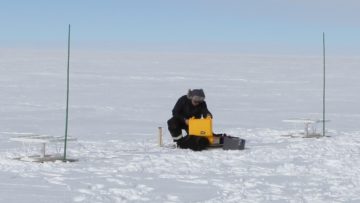
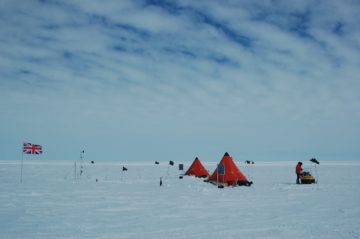
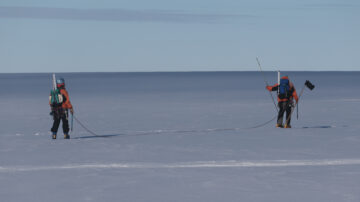
Glaciologists installing monitoring equipment close to Chasm-1 on the Brunt Ice Shelf
We monitor the polar ice sheets to understand how they behave and how they are responding to a warming environment.
Our team investigates drivers of ice loss in rapidly changing regions, areas of our planet that warming faster than anywhere else.
Ice cores reveal how ice sheets responded to historical warm periods.
We measure snow and ice melt to assess freshwater resources.
We use ice drilling, radar, seismic instruments, and advanced models like WAVI and UKESM.
Our team also train PhD students and postdocs in polar research.
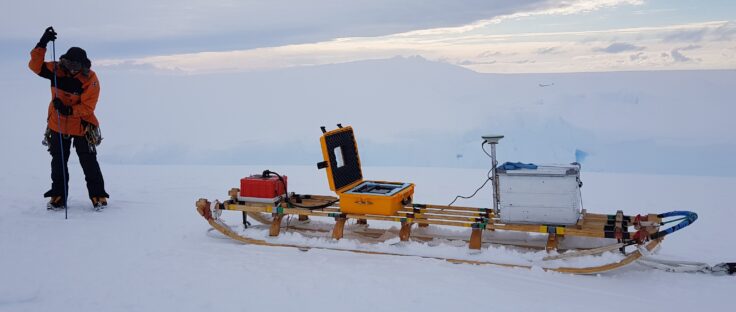
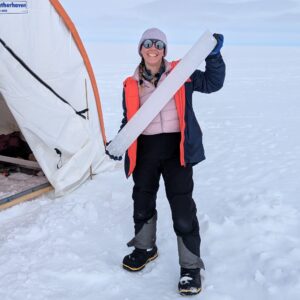
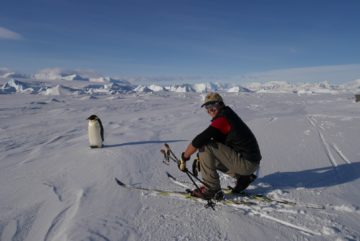
A glaciologist measuring snow properties
Our team takes a leading role working with:
We brief UK government departments including the UK Foreign, Commonwealth & Development Office and support the Antarctic Treaty System.
Final ice core samples from the Beyond EPICA – Oldest Ice project have reached Europe for analysis, marking another milestone in one of British Antarctic Survey’s biggest European collaborations.
IDP Science Leader IMP 3
BAS Science Strategy Executive Group, Ice Dynamics and Palaeoclimate team

Ice Sheet Modeller
Ice Sheet Modeller

Glacier Geophysicist

Radioglaciolgist
Ice Dynamics and Palaeoclimate team, Palaeo Environments, Ice Sheets and Climate Change team

Ice Sheet Modelling

Royal Society Fellowship
Glacier Geophysicist
Post Doctoral Researcher (ARIA)

Glacier Geophysicist

Ice Core Drilling Engineer

Scientist - Other

Ice Sheet Modeller
Scientist - Other
Ice Chemistry Lab Manager

Analytical Technician

Post Doctoral Researcher

TiPES Modeller
Lifetime of Halley Glaciologist

Palaeo Ice Sheet Modeller
Ice Dynamics and Palaeoclimate team, Palaeo Environments, Ice Sheets and Climate Change team

Ice Stream Modelling

Water tracers in the UKESM
Ice Chemistry Lab Technician

Ice Core Post Doctoral Researcher
Science Programme Coordinator

Research Assistant: Palaeoclimate Meltwater Modelling
Ice Fracture Geophysicist

Glacial Processes Satellite

Ice Fracture Modeller

Scientist - Other

Palaeoclimatolgist IMP3

Scientist - Other

Ice Core Scientist

Ice Core Drilling Engineer

Scientist - Other

Earth System Ice Sheet Modeller
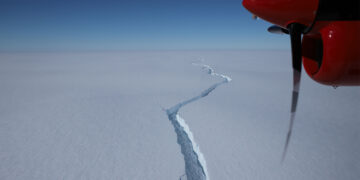
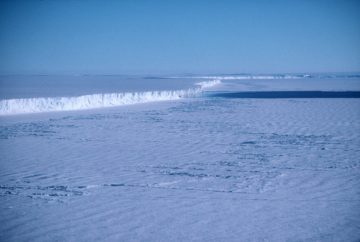
British Antarctic Survey is monitoring glaciological changes on the Brunt Ice Shelf, home to Halley Research Station.
SUBICE, the Sub-Antarctic – ice coring expedition, part of the international Antarctic Circumnavigation Expedition (ACE), successfully drilled several shallow ice cores, from five of the remote and globally significant sub-Antarctic islands.
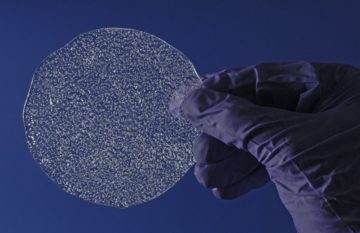
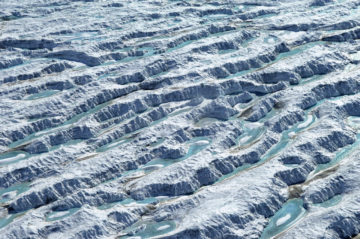
MIDAS investigates how climate warming affects the Larsen C ice shelf in Antarctica. The project studies the formation of large summer melt ponds and their influence on ice shelf structure and stability. Fieldwork, satellite observation, and computer simulations are used to understand these processes.
A project using small explosive charges to measure reflected sound waves, researchers aimed to determine the lake’s water depth and characteristics, providing essential data to guide future drilling operations to access unique records of ice sheet history and potential microbial life.
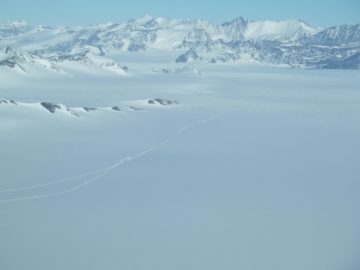
Final ice core samples from the Beyond EPICA – Oldest Ice project have reached Europe for analysis, marking another milestone in one of British Antarctic Survey’s biggest European collaborations.
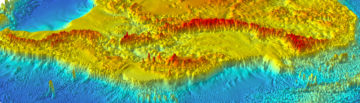
Bedmap2 is a suite of gridded products describing surface elevation, ice-thickness and the sea floor and subglacial bed elevation of the Antarctic.
Bedmap Himalayas measures how much water is stored as glacier ice in High Mountain Asia by mapping ice thickness using radar.
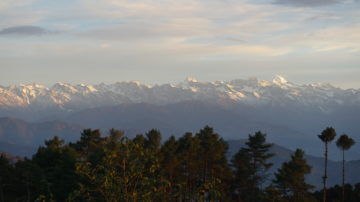
Past Westerly Winds research project used climate model simulations to investigate how Southern Ocean westerly winds behaved during the last glacial maximum.

Studying ice response during past climate changes improves understanding of Antarctic ice sheet dynamics. This knowledge helps predict how ice sheets may behave under future warming scenarios.
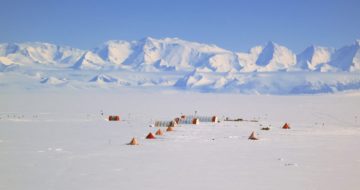
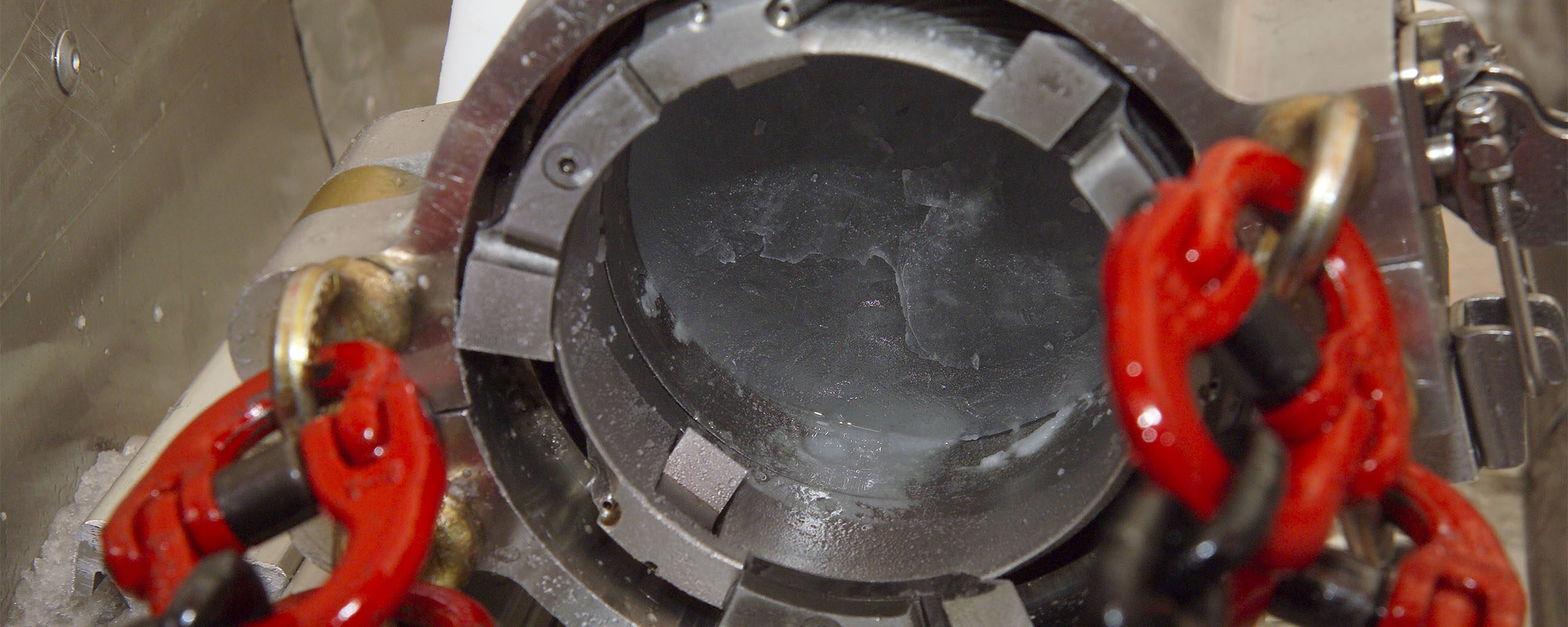
A new drill (the Rapid Access Isotope Drill, or RAID) is being developed by BAS which, rather than collect a full ice-core, this drill will chop up the ice and will allow collecting ice chippings.

By exploiting advances in ice sheet modelling, and new Antarctic-wide datasets, this project aims to predict how far and how fast the observed ocean-driven thinning of floating ice shelves will propagate into the interior of the Antarctic ice sheet, and assess the consequences for global sea level over decadal-to-centennial timescales.
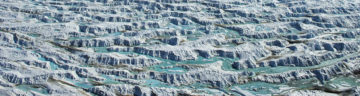
The ice sheet modelling group integrates observational data with dynamical models to improve our representation of how the ice flows beneath the surface, and to reveal how the shape and flow of the Antarctic ice sheet has changed in the past.

This project studies the last Interglacial (129-116 thousand years ago, ka) when CO2 and global temperature were both higher than they were before human industrialisation. By examining Last Interglacial climate, we can gain insights into climate processes and feedbacks close to those expected by the end of the 21st century.
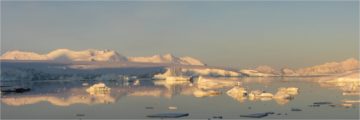
This project used ice cores drilled across the Antarctic Peninsula and West Antarctica to reconstruct past climate and understand whether the recent warming in these rapidly changing regions is unusual over longer timescales..
This project used ice core chemical and biological tracers, including marine diatoms swept onto the ice sheet by wind, to reconstruct 300 years of wind strength and atmospheric circulation patterns in West Antarctica.
This project investigated the stability of Antarctica’s Filchner Ice Shelf to produce sea-level projections using hot water drilling, ocean measurements beneath the ice shelf, sediment coring, radar surveys and autonomous submersibles.
Science on the move – the mission to understand the stability of the West Antarctic Ice Sheet
iStar-C – strives to understand the dynamical control and response to change of Pine Island Glacier
iStar-D will identify the potential contribution to sea-level rise, from ice locked in the Amundsen Sea sector of Antarctica
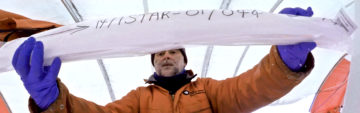
The project adds water tracers, including stable isotopes, to the UK Earth system model (UKESM2). These tracers follow water through the model’s hydrological cycle.
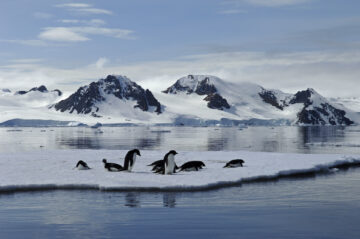
SURFEIT unites UK and international scientists to study Antarctic ice and atmosphere interactions, improve sea-level projections, and support climate action.
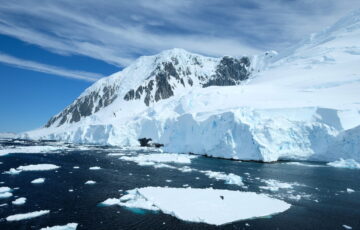
SDOO project investigates abrupt climate warming episodes recorded in Greenland ice cores, known as Dansgaard-Oeschger events, where temperatures rose by 10-15°C within a decade during the last glacial period.
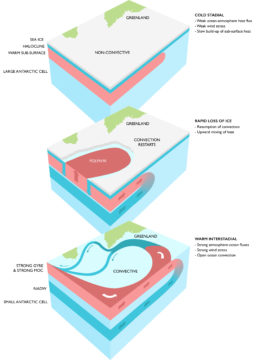
SIWHA investigates how westerly winds and sea ice have influenced CO2 uptake and release in the Southern Ocean.
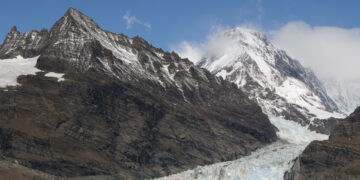
The Big Thaw studies snow and glacier changes in the Alps and Himalayas to improve forecasts of mountain water resources for global communities.
In a bold experiment to understand the behaviour of fast-changing glaciers in West Antarctica, scientists completely switched off the melting effects of the ocean in computer models.
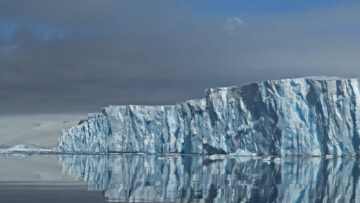
A new study on Antarctica’s Brunt Ice Shelf has revealed that surface melting and seawater infiltration can have dramatically different effects on the structural strength of floating ice shelves.
A major new analysis has confirmed British Antarctic Survey as the world’s leading centre for Antarctic and Southern Ocean research.

A new study published in Science Advances has overturned a common assumption about earthquake prediction: that major earthquakes follow predictable cycles, and that regions can be ‘overdue’ for the next big one.
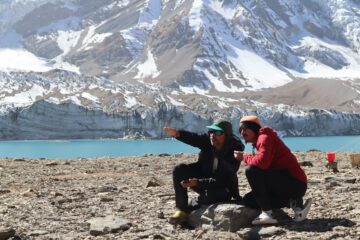
Scientists from the University of Cambridge and British Antarctic Survey have used ice core records to draw new conclusions about how Antarctica was affected by increased global temperatures over 100,000 years ago.
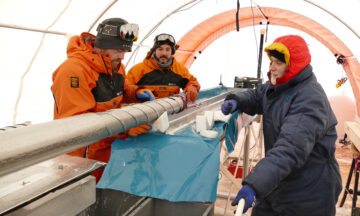
The Beyond EPICA-Oldest Ice project has successfully drilled a 2800-metre-long ice core consisting of ice which is over 1.2 million years old.
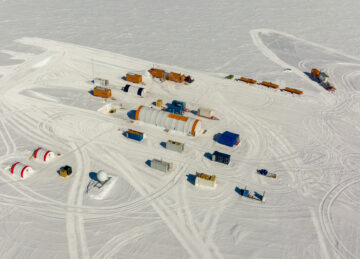
Over 30 researchers from international institutes are working on ice core drilling campaigns in Antarctica to probe the ice sheet’s behaviour, carbon cycling in the Southern Ocean, and the Earth’s climate history.
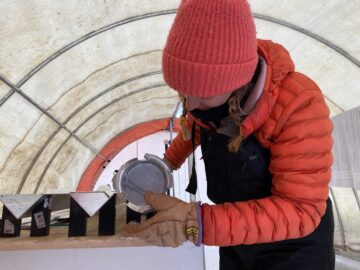
An international research team deployed the uncrewed submersible ‘Ran’ underneath 350 m thick ice. They got back the very first detailed maps covering extensive areas of the underside of a glacier, revealing clues to future sea level rise.
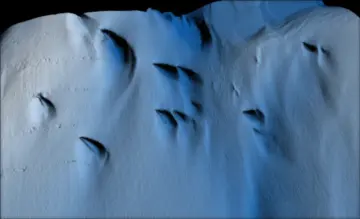
Climate scientists from University of Cambridge and the British Antarctic Survey will be at the 2024 Royal Society Summer Science Exhibition, showcasing how they are using Antarctic ice cores to unlock the past and uncover clues to our planet’s future.
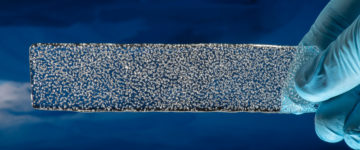
British Antarctic Survey, in partnership with the University of Cambridge, will be at the 2024 Royal Society Summer Science Exhibition, showcasing how, using Antarctic ice cores to unlock the past, we can understand more about the future of our planet in a changing climate.
Scientists are a step closer to being able to predict when large icebergs will calve in Antarctica.
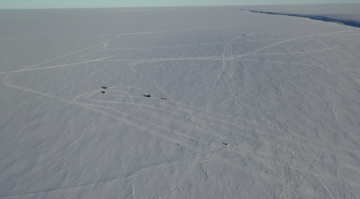
Small bubbles of air from ice in Antarctica resolve a long-standing debate about why there was a decline in atmospheric carbon dioxide (CO2) during the 16th and 17th centuries.
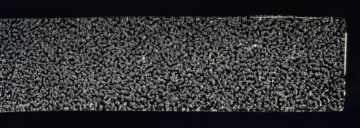
The first direct evidence that the West Antarctic Ice Sheet shrank suddenly and dramatically at the end of the Last Ice Age, around eight thousand years ago, is published in a new study this week.
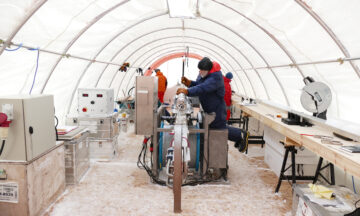
A team of scientists from the British Antarctic Survey (BAS) is gearing up for an expedition to the Brunt Ice Shelf in Antarctica to unravel the mysteries behind the calving processes that result in the formation of colossal icebergs.
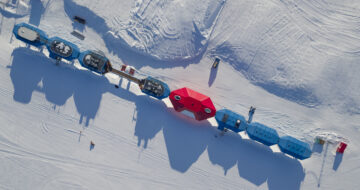
British Antarctic Survey glaciologist Hamish Pritchard has won the 2023 Harry Otten Prize for Innovation in Meteorology.
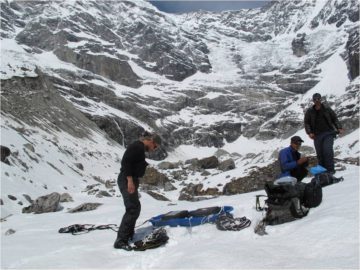
New measurements of how the boundary between onshore glacier and floating ice shelf glides back-and- forth could help predict melting
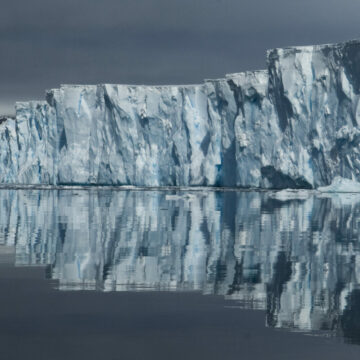
ANTARCTICA – 13 March 2023. British Antarctic Survey (BAS) has released the first aerial pictures of the massive A81 iceberg that calved from the Brunt Ice Shelf in late January. […]
Scientists in East Antarctica drilling to find the Earth’s oldest ice have reached a key milestone after two months of fieldwork in sub-zero temperatures. The team is part of Beyond […]
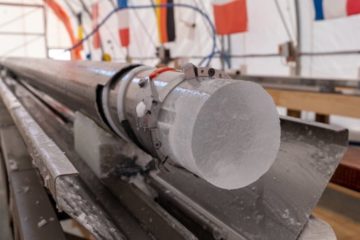
Researchers at British Antarctic Survey (BAS) will develop new and ambitious ideas to tackle critical global environmental challenges, such as global sea-level rise from Antarctica, thanks to new funding. The […]
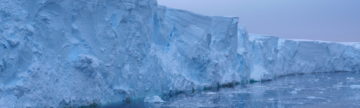
ANTARCTICA – 23 January 2023. A huge iceberg (1550 km²), almost the size of Greater London, has broken off the 150m thick Brunt Ice Shelf. It calved after cracks that […]
Nearly 60 scientists and support staff are on their way to Thwaites Glacier in West Antarctica. It’s part of an ambitious international effort to understand the glacier and surrounding ocean […]
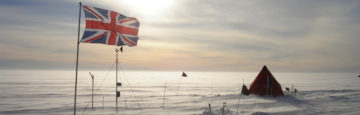
Scientists return to East Antarctica this month (December) to locate the oldest ice on Earth. The team is part of an EU-funded research consortium from 10 European countries whose aim […]
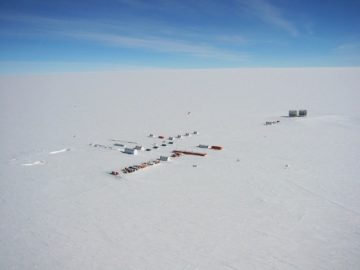
How much water the mountain glaciers of the Himalayas contain and how the mighty Thwaites Glacier in West Antarctica will contribute to global sea-level rise form part of the final […]
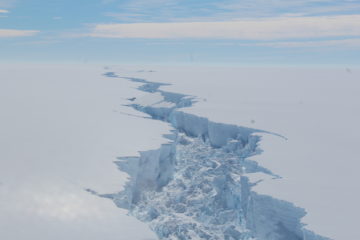
Pine Island Ice Shelf in West Antarctica, which holds back enough ice to raise sea levels by 0.5 metres, could be more vulnerable to complete disintegration than previously thought. A […]
A new study featuring contributions from British Antarctic Survey (BAS) scientists has identified 100 pressing research questions on climate change and water resources in the Upper Indus Basin (UIB) that must be answered to protect the communities that live there.
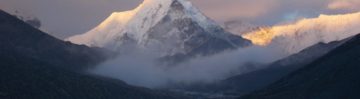
The first ice core drilling campaign of Beyond Epica-Oldest Ice has been successfully completed at the remote Little Dome C site in Antarctica – one of the most extreme places […]
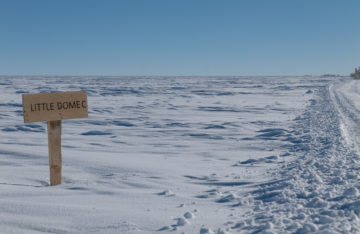
The first campaign to drill Antarctica’s oldest ice starts this month (November). Beyond EPICA-Oldest Ice aims to drill an ice core to collect a record of past climate spanning 1.5 million years
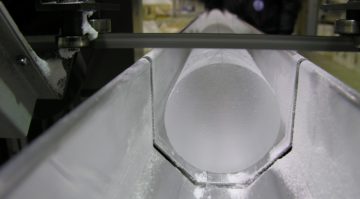
A new immersive exhibition, Polar Zero, opens at Glasgow Science Centre this weekend (2 October), injecting an artistic and cultural dimension to the climate negotiations at the Conference of the […]
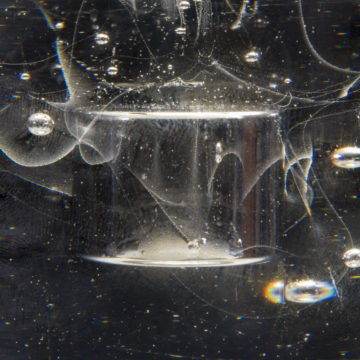
Immersive science-art ice core research exhibition to be displayed at Glasgow Science Centre during COP26

A study of two alternative methods for reconstructing ancient temperatures has given climate researchers a better understanding of how cold it was in Antarctica during the last Ice Age, around […]
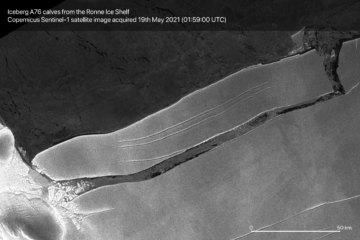
An enormous iceberg has calved from the western side of the Ronne Ice Shelf, in Antarctica. The iceberg, newly named A-76, measures around 4320 sq km in size and is […]
New research has revealed that climate changes associated with past episodes of abrupt warming in Greenland occurred synchronously across a region extending from the Arctic to the Southern Hemisphere subtropics. […]
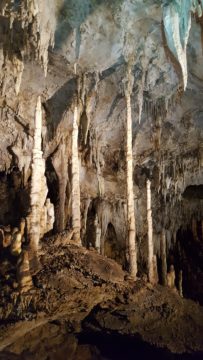
Two new research projects – in partnership with British Antarctic Survey engineers – will drill deeper than ever before in Antarctica and in space. The first project, called INCISED, is […]
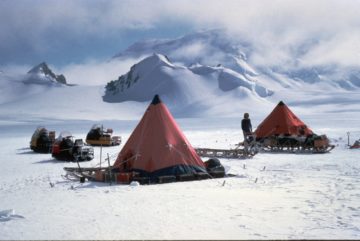
*Did you miss the live event on 22 April? The recording is now available to watch below, or on Youtube via: https://youtu.be/8r3xdrp5GGI* Online launch of The Song of the Ice […]
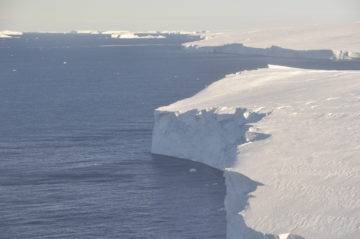
Teams from the US and UK have successfully completed scientific fieldwork in one of the most remote and hostile areas of West Antarctica – coinciding with the 200th anniversary of […]
A new climate change artwork – Ice Floor, a new Phase 2 by Wayne Binitie, opens this week at Arup’s Fitzroy Street offices in London. The work was developed in […]
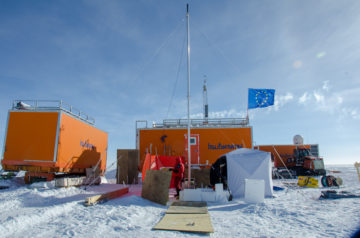
This week a team of European researchers announces its plans for an ambitious mission to find the oldest ice on Earth (9 April 2019). Antarctica’s ice has the potential to […]
A new study on ice cores shows that reductions in sea ice in the Arctic in the period between 30-100,000 years ago led to major climate events. During this period, […]
A team of scientists and engineers has for the first time successfully drilled over two kilometres through the ice sheet in West Antarctica using hot water. This research will help […]

A team of scientists and engineers from British Antarctic Survey and the University of Cambridge has successfully drilled over 650 metres in to an Antarctic ice cap to obtain an […]
A new study of snowfall across Antarctica provides vital information in the study of future sea-level rise. A team of scientists from NASA and British Antarctic Survey (BAS), describes how […]
Congratulations to Dr Emilie Capron who has been awarded the prestigious Early Career Scientist Award of the International Union of Geodesy and Geophysics (IUGG). Dr Capron is a palaeoclimatologist at British […]
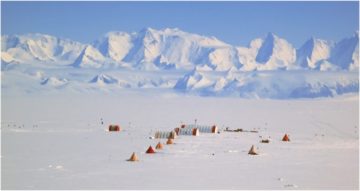
Technology pioneered in Antarctica could soon be providing much-needed data on the amount of ice in the glaciers of High Mountain Asia thanks to an ingenious helicopter-mounted, low-frequency radar developed […]
Expert comment on IPCC Special Report
The first comprehensive study of snowfall across Antarctica provides vital information in the study of future sea-level rise. Presenting this week (Monday 9 April 2018) at the European Geosciences Union […]
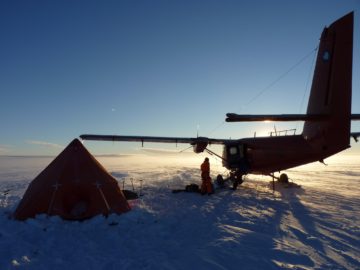
A thinning of small areas of floating ice at Antarctica’s coast can accelerate the movement of ice grounded on rocks hundreds of kilometres away, a new study involving scientists from […]
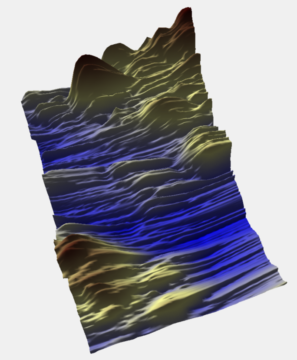
A UK team of researchers has produced high-resolution maps of the bed beneath a major glacier in West Antarctica, which will help them predict future sea-level rise from this region. […]
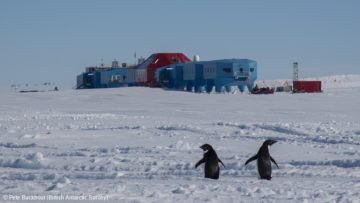
British Antarctic Survey (BAS) has decided, for safety reasons, that it will close its Halley VI Research Station during the 2018 Antarctic winter. This will be the second time that […]
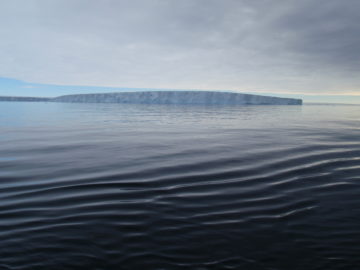
The largest remaining ice shelf on the Antarctic Peninsula lost 10% of its area when an iceberg four times the size of London broke free earlier this month. Since […]
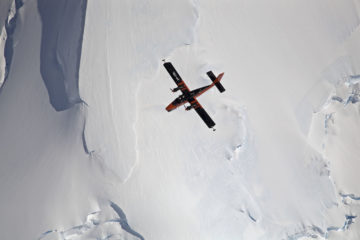
It is thought that wind changes over the Southern Ocean may have been critical in driving changes in CO2 between cold ice-world and warm-world climates. Because of inconsistencies between the […]
A huge iceberg, roughly the size of Norfolk, looks set to break away from the Larsen C ice shelf on the Antarctic Peninsula. Larsen C is more than twice the size […]
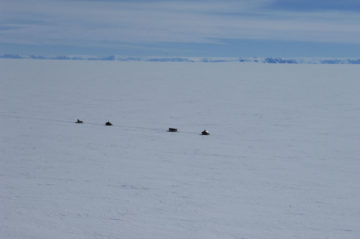
First phase of project to collect 1.5 million years of climate data in Antarctica A team of European scientists heads to East Antarctica this month to locate the oldest ice […]
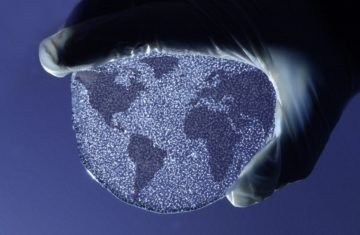
A team of British climate scientists comparing today’s environment with the warm period before the last ice age has discovered a 65% reduction of Antarctic sea ice around 128,000 years […]
The often large ocean tides around Antarctica can greatly affect the flow of ice streams even long distances upstream of their grounding lines. Observing and modelling this interaction serves as […]
Data as art captivates a London audience
Researchers and games developers have joined forces to explain how climate change is affecting Antarctica. A new game called ‘Ice Flows’ launches today (Tuesday 23 August) at an international science meeting in Malaysia.
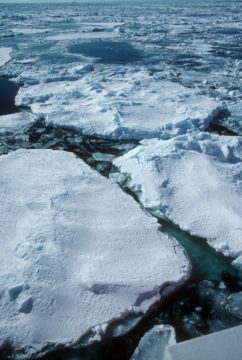
A team of British climate scientists comparing today’s environment with the warm period before the last ice age has discovered a 65% reduction of Antarctic sea ice around 128,000 years […]
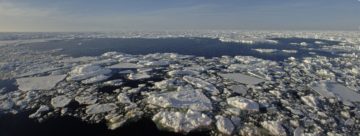
An international team of scientists have used air bubbles in polar ice from pre-industrial times to measure the sensitivity of the Earth’s land biosphere to changes in temperature.
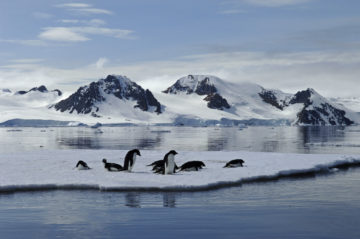
Pine Island Glacier in West Antarctica is currently one of the single biggest contributors to sea-level rise with an estimated volume loss of 1.2mm sea-level equivalent per decade. The loss […]
This paper reveals that the amount of snowfall in coastal West Antarctica has increased during the 20th century, with annual snow accumulation since the 1990s the highest we have observed […]
New season tackles ambitious science and logistical challenges The British Antarctic Survey (BAS) 2015/16 field season is underway with dozens of scientists and support staff – together with planes and tonnes […]
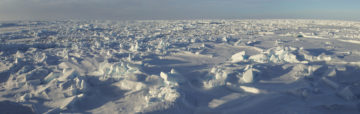
The Earth’s climate was warmer than today by at least 1°C during the Last Interglacial (between 129,000 and 116,000 years ago). Thus, the Last Interglacial represents an invaluable case study […]
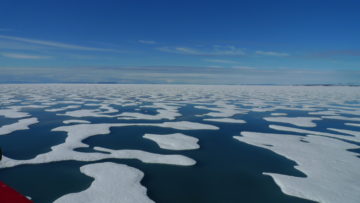
Sea-level rise from Antarctic collapse may be slower than suggested A new study by scientists in the UK and France has found that Antarctic ice sheet collapse will have serious […]
West Antarctic coastal snow accumulation rose 30 percent during 20th century Annual snow accumulation on West Antarctica’s coastal ice sheet increased dramatically during the 20th century, according to a new […]
In February 2002, satellite images from a remote location in Antarctica revealed how an immense volume of floating ice, up to 1km thick, suddenly collapsed. Over the course of a […]
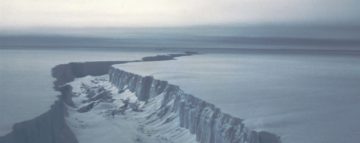
Scientists head to Pine Island Glacier for new research season A team of twelve scientists and support staff has arrived on Pine Island Glacier in West Antarctica in the second […]

Antarctic Team Discovers Mechanism for Massive Ice Shelf Collapse New research has found that the cataclysmic break-up of a large floating ice shelf in the early 2000’s was primarily the […]
Antarctic sea-level rising faster than global rate A new study of satellite data from the last 19 years reveals that fresh water from melting glaciers has caused the sea-level around […]
Ocean winds keep Australia dry and Antarctica cold New research explains why Antarctica is not warming as much as other continents, and why southern Australia is recording more droughts. Analysis […]
Earth’s last warm phase exposed Analysis of data collected from ice cores and marine sediment cores in both polar regions has given scientists a clearer picture of how the Earth’s […]
Previous rapid thinning of Pine Island Glacier sheds light on future Antarctic ice loss New research, published this week in Science, suggests that the largest single contributor to global sea […]
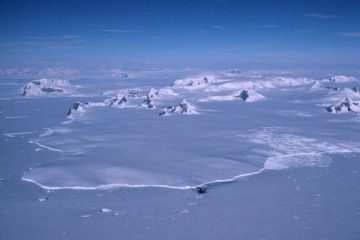
First leg of Antarctic iSTAR mission accomplished A team of British scientists has returned from a gruelling 1500km journey across the ice of West Antarctica after successfully completing the first […]
Focus on Pine Island Glacier, Antarctica Pine Island Glacier, on the West Antarctic Ice Sheet (WAIS) is the largest single contributor to sea-level rise in Antarctica. The stability of the […]
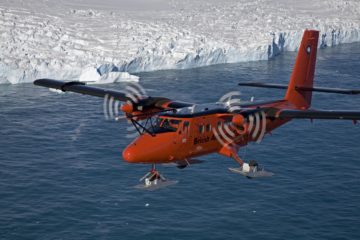
New ice core record shows climate variability in West Antarctica A 308-year ice core record provides new data on climate variability in coastal West Antarctica and shows that a clear […]
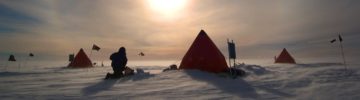
Tiger stripes’ under Antarctic glacier slow the flow Narrow stripes of dirt and rock beneath massive Antarctic glaciers create friction zones that slow the flow of ice toward the sea, […]
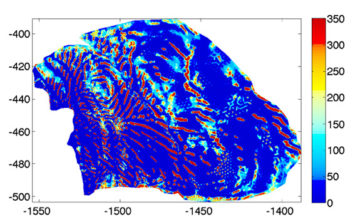
Antarctic research details ice melt below massive glacier An expedition of international scientists to the far reaches of Antarctica’s remote Pine Island Glacier has yielded exact measurements of an undersea […]
Ambitious science mission sets off for Antarctica A team of British scientists is making final preparations for an ambitious Antarctic science mission. They aim to discover what’s causing the recent […]
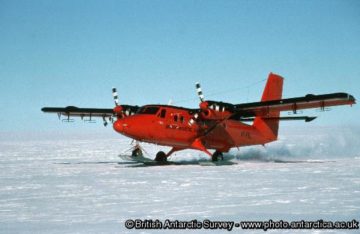
Icequakes unlock secrets of icestreams Measuring tiny icequakes is helping British Antarctic Survey scientists investigate ice streams despite the challenging environment they have to work in. The work of Emma […]
New insight into accelerating summer ice melt on the Antarctic Peninsula A new 1000-year Antarctic Peninsula climate reconstruction shows that summer ice melting has intensified almost ten-fold, and mostly since […]
Top scientist receives Royal Society Research Professorship to fund long-term UK research A Royal Society Research Professorship has been awarded to one of British Antarctic Survey’s leading climate scientists Professor […]
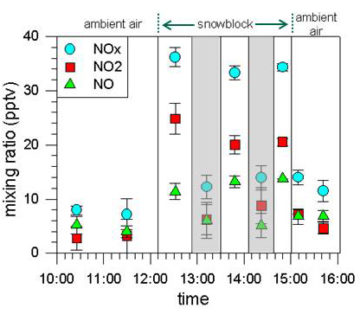
Greenland ice core reveals warm past temperatures British Antarctic Survey scientists have contributed to a new study published in Nature (Thursday 24 January) that provides surprising details on changes in […]
New Antarctic geological timeline aids future sea-level predictions Radiocarbon dates of tiny fossilised marine animals found in Antarctica’s seabed sediments offer new clues about the recent rapid ice loss from […]
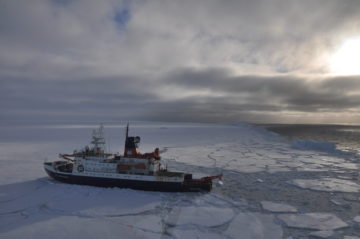
British Antarctic Survey researchers part of landmark study to improve projections for future sea level An international team of satellite experts including researchers at British Antarctic Survey has produced the […]
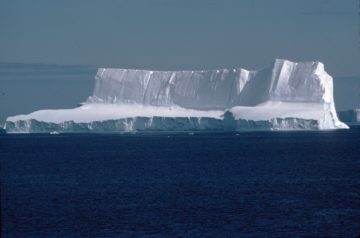
The effects of microbial life on glaciers and ice sheets Around 10% of the Earth’s surface is covered by glacial ice (glaciers and ice sheets), some of which melt as […]
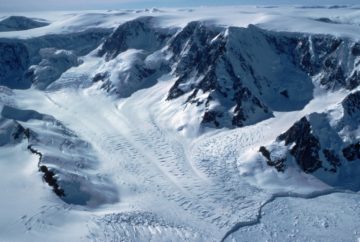
Ice sheet retreat controlled by the landscape Ice-sheet retreat can halt temporarily during long phases of climate warming, according to scientists. A UK team led by Durham University has found […]
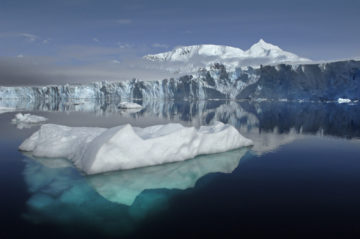
New climate history adds to understanding of recent Antarctic Peninsula warming Results published this week by a team of polar scientists from Britain, Australia and France adds a new dimension […]
New studies improve scientists’ understanding of the potential contribution of the Antarctic Ice Sheet to global sea level rise Three peer-reviewed papers in Nature and Nature Geoscience published in recent […]
Scientist on BBC Frozen Planet investigates how world’s largest glacier is contributing to sea-level rise A team of scientists from British Antarctic Survey (BAS) is to survey the largest glacier […]
Greenland Ice Core Team Reaches Bedrock Bedrock has been reached Tuesday July 27 2010 at the deep ice core drilling site North Greenland Eemian Ice Drilling (NEEM) on the Greenland […]
Lasers from space show thinning of Greenland and Antarctic ice sheets The most comprehensive picture of the rapidly thinning glaciers along the coastline of both the Antarctic and Greenland ice […]
New research provides insight into ice sheet behaviour A new study published this week takes scientists a step further in their quest to understand how Antarctica’s vast glaciers will contribute […]
PRESS RELEASE 19 March 2002 PR Number 5/2002 Satellite images have revealed the collapse of Larsen B ice shelf on the Antarctic Peninsula fulfilling predictions made by British Antarctic Survey […]
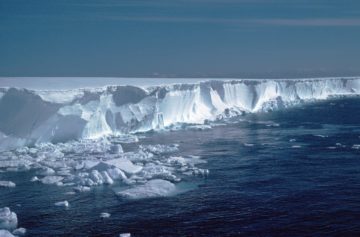
Understanding what is going on inside an ice shelf is important for many reasons. But mostly, it allows us to better understand their contribution to sea level rise, and to […]
In Episode 3, Isobel Rowell and Dieter Tetzner have just returned from several weeks in the field, drilling for ice alongside Dr Robert Mulvaney and field guides Sarah Crowsley and […]
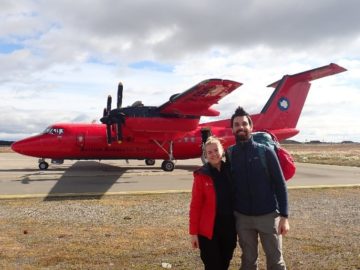
BAS glaciologist Dr Robert Mulvaney journeys deep into Antarctica where he and the team continue their search for the oldest ice record of atmosphere and climate – hopefully stretching back 1.5 million years.
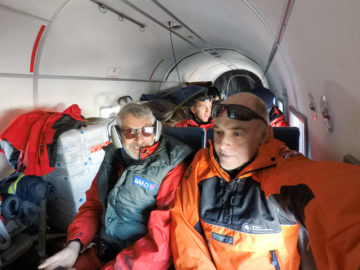
Ice core drilling is a large complex operation to firstly get the equipment out into the field, assemble it, drill intact columns of ice and then process the collected ice for analysis. Markus Frey explains.
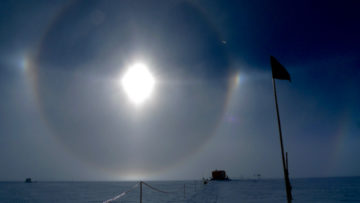
Our journey to the Antarctic Polar Plateau, where we will be spending the next few weeks as part of the ISOL-ICE research project, began on 7 December. We boarded a […]
Life in Antarctica can be difficult but strangely the more difficult it is, the easier it becomes. Life starts to be simple. One only has to do whatever it takes. The […]
The FISS project is huge on a logistical scale. Drilling through an eight hundred meter ice shelf and providing support and equipment for several seismic, radar and instrument inputs and […]
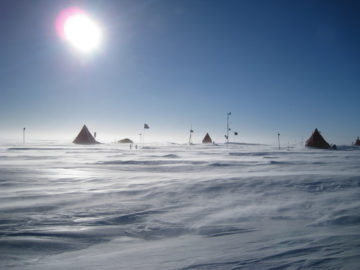
“Goodbyes” get harder each time so I avoid them by saying “See you later” as if I’m just going to the shop. The journey South is long and for me […]
It’s four AM and I’m wide awake, staring at the deep blue and black shadows on the ceiling of my bedroom. I allow myself just this once to indulge in […]
Earlier this year I spent two months doing fieldwork in the Hindu-Kush Himalaya mountain region in South and Central Asia. It hosts the largest volume of ice and snow outside the polar regions and, for this reason, […]